
Smart Home Gadgets Under £50 That Actually Make Life Easier
A practical guide to affordable smart-home gadgets: what they can do, what ecosystems matter and which features are worth paying for.
Affiliate disclosure: ViralGadgets may earn commission through retailer links. Smart-home compatibility changes over time, so always check the latest manufacturer specifications before buying.
A smart home does not need to start with a £1,000 installation. The best entry-level products solve small problems: a lamp that turns itself off, a camera that tells you when someone arrives or a sensor that warns you a window is open.
Under £50, these are the categories we would look at first.
1. Smart plugs
Smart plugs are the simplest way to automate something that already has a physical on/off state. Lamps, fans and some small appliances can be scheduled or controlled remotely without replacing the appliance itself.
Check: maximum load, app quality and compatibility with your preferred voice or smart-home platform.
2. Smart bulbs
A good smart bulb can handle schedules, dimming, colour temperature and scenes. If you are buying several, check whether the system needs a hub and whether it still works when the internet connection drops.
3. Door and window sensors
These tiny sensors can tell when a door or window opens. They are useful for security alerts, heating routines and simple automations such as turning on a hallway light.
4. Temperature and humidity sensors
A small sensor can be more useful than it sounds. It can highlight a cold room, help monitor condensation risk or trigger a fan or heater through compatible automation.
5. Indoor security cameras
Affordable cameras now offer motion alerts, two-way audio and night vision. The important cost is not always the hardware: investigate cloud subscriptions and local-storage options before committing.
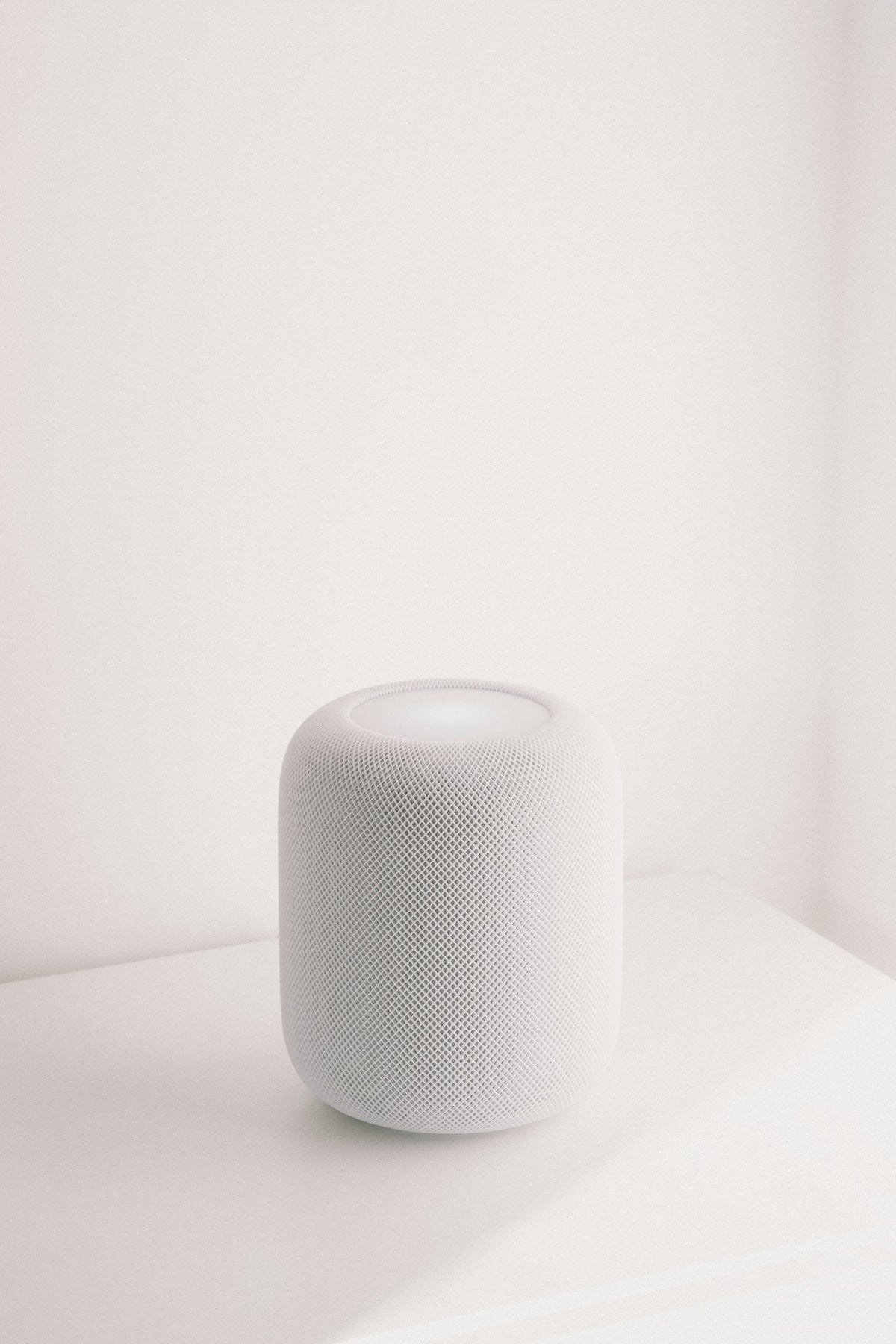
6. Compact smart speakers
A smart speaker can act as the voice interface for timers, music and compatible devices. It makes most sense when you choose an ecosystem you are willing to build around.
7. Smart LED strips
Good for desks, televisions and accent lighting. Prioritise reliable adhesive, even colour and straightforward controls over hundreds of novelty effects you will use once.
8. Motion sensors
Motion sensors are excellent automation triggers. A hallway light that turns on after dark or a utility-room fan triggered by movement is often more useful than a voice command.
9. Smart buttons
A programmable button can trigger a scene without reaching for a phone. That sounds less futuristic than voice control, but physical controls are often faster and easier for visitors or children.
10. Streaming sticks
They are not strictly “smart home” products, but a streaming stick can transform an older TV into a much more capable connected screen for well under £50 during promotions.
Compatibility matters more than the logo
Before buying, write down the platform you want to use: Alexa, Google Home, Apple Home or another ecosystem. Then check whether each gadget works natively with it. A cheap device that needs a separate app for every action quickly becomes annoying.
Our verdict
Start with one or two automations that remove a real annoyance. If they work reliably, expand. The best smart home is not the one with the most connected objects; it is the one you stop noticing because it quietly does useful things.