
UK iPhone Tap-to-Pay Could Change: What the Apple Pay Rival Wallet Plan Means
The UK watchdog wants Apple to open up iPhone contactless technology to rival wallets. Here's what could change for Apple Pay users — and why nothing changes yet.
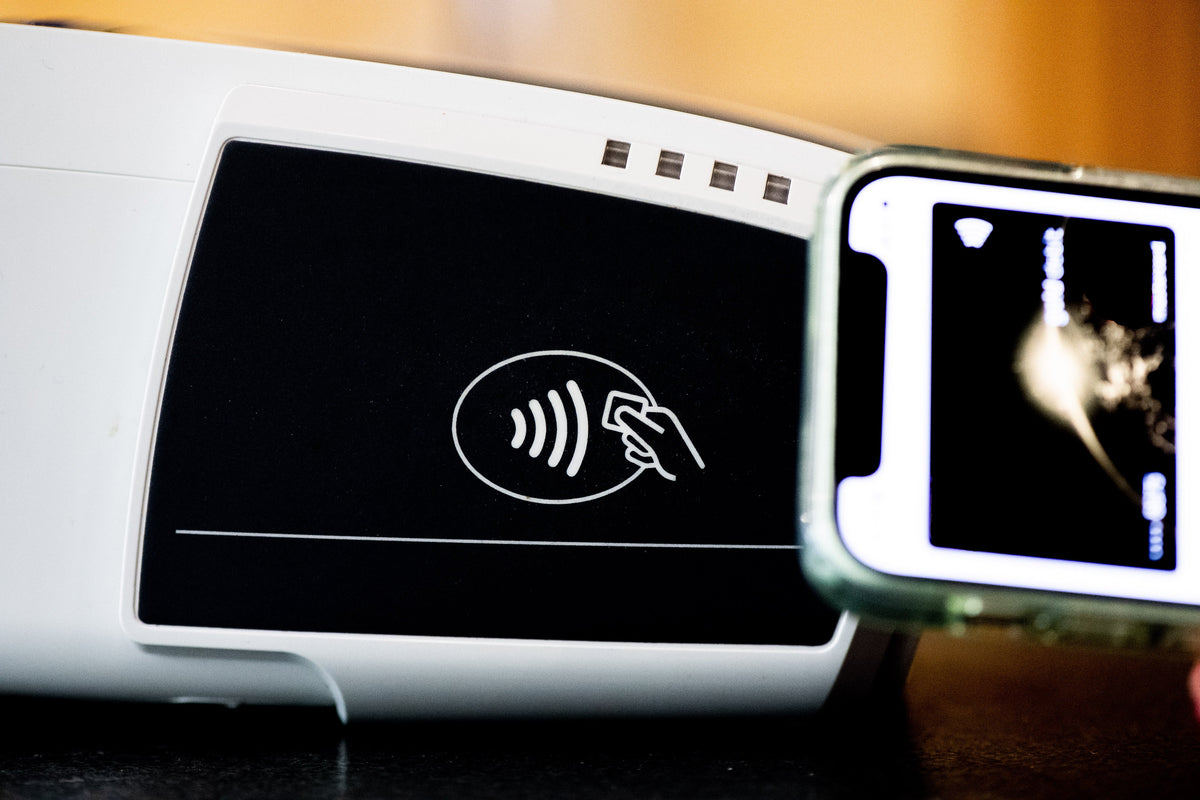
UK iPhone owners could eventually get more choice over how they pay, travel and use digital keys with a tap of their phone. On 20 October 2026, the Competition and Markets Authority (CMA) proposed changes to the terms on which other businesses can access the iPhone's contactless technology. The move could make it easier for rival digital wallets to compete with Apple Pay — but no new UK payment option has been approved or launched as a result of this announcement.
The distinction matters: this is a consultation, not a final ruling. The CMA is accepting responses until 17 November 2026 and will decide what to do after considering them.
What is the UK proposing to change?
When you hold a phone close to a card reader, it communicates using near field communication (NFC), a short-range wireless technology. NFC can also support travel passes, digital car keys, building access and other services.
The CMA says the technical and commercial terms of access to iPhone NFC are making it difficult for British businesses to offer competing products. Its proposals address two obstacles: the standards that developers may use and the charges they face.
First, Apple would be required to offer access through both established contactless approaches: the secure element (SE) and host card emulation (HCE). The CMA says Apple currently offers UK developers SE access but not HCE. In simplified terms, SE uses a protected hardware component on the device, while HCE enables a different architecture for handling contactless credentials.
Second, the regulator wants access to be commercially workable. It is not proposing to dictate an exact fee, but expects charges under its proposed principles to be substantially lower than Apple's existing fees.
Does this mean Apple Pay is being replaced?
No. The CMA has not announced a ban on Apple Pay, and UK iPhone users do not need to change any settings or payment cards today.
If the proposals eventually become binding and businesses launch competing services, users could gain additional ways to tap their iPhone at checkout or use contactless functions in other apps. Whether a particular bank or wallet provider will offer such a service, and when, remains unconfirmed.
That could make everyday payments more flexible. For example, a banking app might be able to offer a more direct contactless experience instead of relying on an existing wallet arrangement. But it would be premature to promise lower shopping bills or instant savings: the regulator's stated objective is better competition and innovation, not a guaranteed reduction in retail prices.
Why the UK market matters
Contactless payments are already part of daily life in Britain. Citing UK Finance figures, the CMA says they accounted for 39% of all UK payments in 2025, compared with just 3% a decade earlier. It also cites research finding that 62% of UK adults use a digital wallet.
Yet the CMA says no business has launched a wallet-type product to compete with Apple's on iPhones in the UK. It contrasts that with the European Union, where alternative payment apps have appeared following commitments by Apple to provide access. The regulator names Vipps, PayPal, Klarna, Curve and BBVA as examples in the EU.
For British developers, the commercial question is whether a rival wallet can be built and maintained profitably. Even when an interface is technically available, high access charges or restrictive terms can make a new service unattractive to launch.
What do Apple and UK fintech firms say?
Apple disputes the suggestion that its current approach is inadequate. In comments reported by Reuters, the company said developers can already build contactless services using its NFC and secure-element technology. It argued that its approach helps protect payment credentials and users' privacy, and expressed concern that requiring a different approach could weaken security protections.
Revolut, by contrast, welcomed the CMA's direction. The financial technology company told Reuters that access to NFC through HCE is important for UK firms seeking to compete with large technology platforms.
The disagreement is not simply about whether an iPhone can tap a terminal. It is about who can build the software behind that tap, what technical route they may use and how much it costs to enter the market.
Could iPhone contactless payments become less secure?
Security is one of the contested points. The CMA says evidence it has reviewed does not suggest that either of the two established standards poses an inherent security problem. Apple says its existing system offers stronger protections.
Neither position means that all future apps will be equally secure. Any new service would still need to meet applicable security, financial and consumer-protection requirements. Users should assess the provider and permissions of any payment app rather than assume that every NFC-enabled app is a bank-approved wallet.
What happens next — and when?
The consultation closes on Tuesday 17 November 2026. The CMA will then assess responses before deciding whether to impose a final conduct requirement. It has not announced a date when new UK wallet apps will become available.
For now, the practical advice is straightforward: keep using your existing iPhone payment setup if it works for you. There is no need to download a new app, pay a fee or change banks because of the CMA's announcement. Be wary of posts suggesting that an official UK alternative to Apple Pay has already been launched under these proposals.
The ViralGadgets verdict
This is potentially significant for UK iPhone owners, but the most important word is potentially. Wider access could give banks, fintech companies and transport or access providers more room to innovate. The immediate news, however, is a regulatory proposal — not a new consumer product. We will update this report if the CMA reaches a final decision or providers announce verified UK launches.
Sources and image credit
- Competition and Markets Authority, official announcement, 20 October 2026
- Reuters, reporting and industry responses, 20 October 2026
- Featured photograph: European Commission / Wikimedia Commons, CC BY 4.0. Photo used unmodified; it illustrates contactless payments and does not depict a new UK wallet product. Licence.
